Existing devices need connectivity
Retain control logic while adding collection, remote control, logs and cloud access.
 Jianxu Digital JIANXU DIGITAL
Embedded · Gateway · Smart Hardware
For equipment suppliers, integrators and smart-product teams, we develop firmware, drivers, protocols, gateways, host applications and cloud connectivity. Hardware resources, field conditions and failure modes guide software structure.
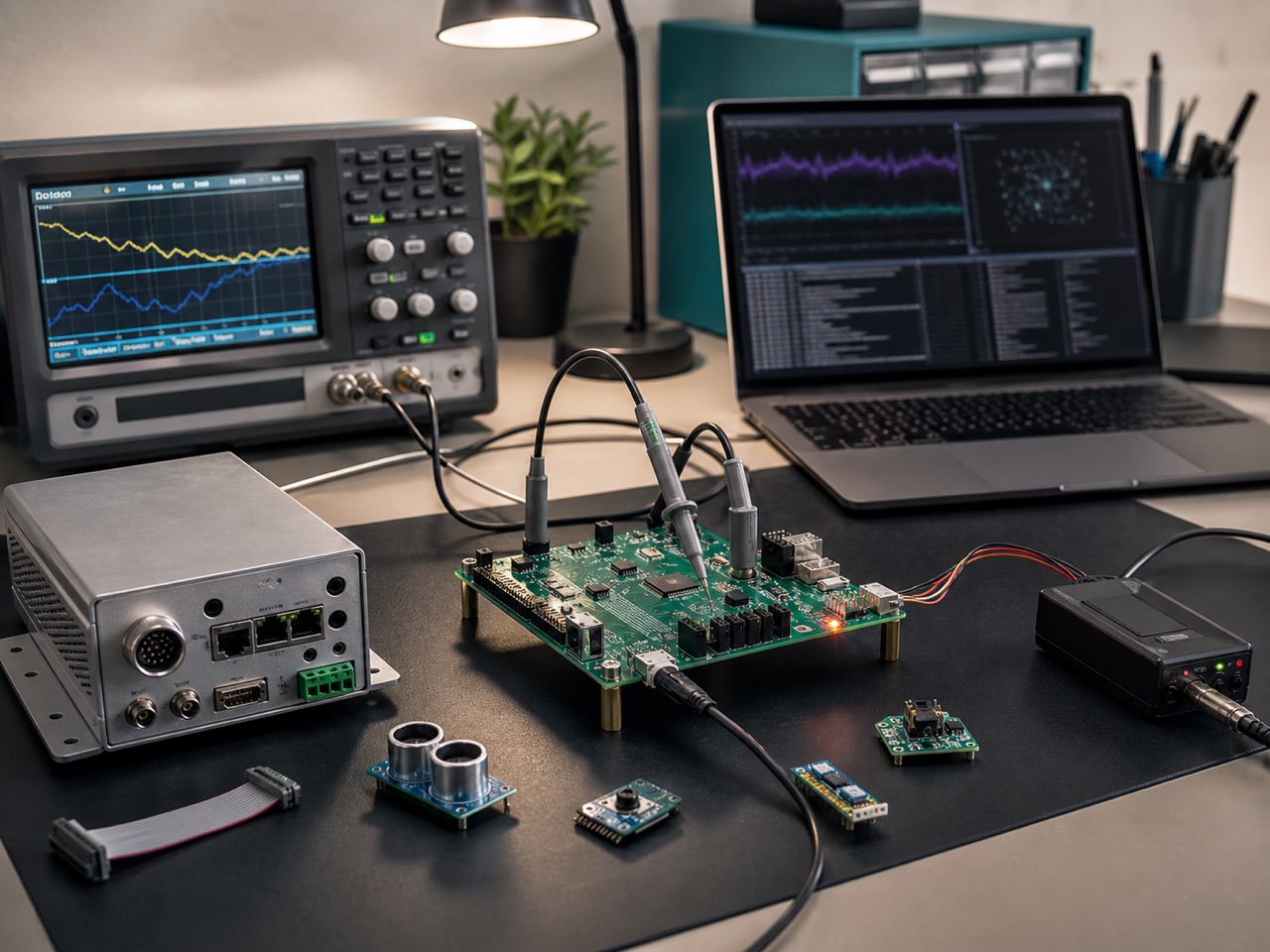
A prototype validates a direction. Customer sites and production introduce weak networks, power loss, batch differences, remote updates and service diagnostics.
Retain control logic while adding collection, remote control, logs and cloud access.
Missing fault recovery, versioning, production tests and long-run validation prevent direct customer delivery.
Different teams own controllers, communication modules and business systems, leaving integration responsibility unclear.
Without logs, remote diagnostics, configuration and updates, even small issues require an engineer on site.
Joint hardware design, certification and supply-chain work, if required, are specified separately in proposals and quotes to keep responsibilities clear.
Drivers, local control, scheduling, storage, fault recovery and low-power operation.
STM32 / ESP32 / FreeRTOS and other options assessed per projectDevice services, daemons, local databases, containers, logs and remote maintenance.
Linux / OpenWrt / Industrial PCs / Edge devicesSerial, RS485, CAN, BLE, Wi-Fi, 4G, Modbus, MQTT and proprietary protocols.
Verify protocols, data frequency and exception handling firstDevice debugging, parameter configuration, charts, tests, batch flashing and production records.
Choose Windows or local web consoles for the scenarioVersions, signatures, staged rollouts, rollback, logs, fault codes and remote configuration.
Validate control risks and recovery paths firstMap device properties, events, commands and alerts to platforms, apps or customer systems.
Device models / APIs / Work orders / DashboardsDevices retain local control; the edge handles protocol conversion and offline recovery; the cloud manages operations; business systems manage orders, services and support.
This content comes from a delivered project. Client names, production data and some business details are anonymized for confidentiality. Interfaces are redrawn from the actual system structure and do not show raw production data.
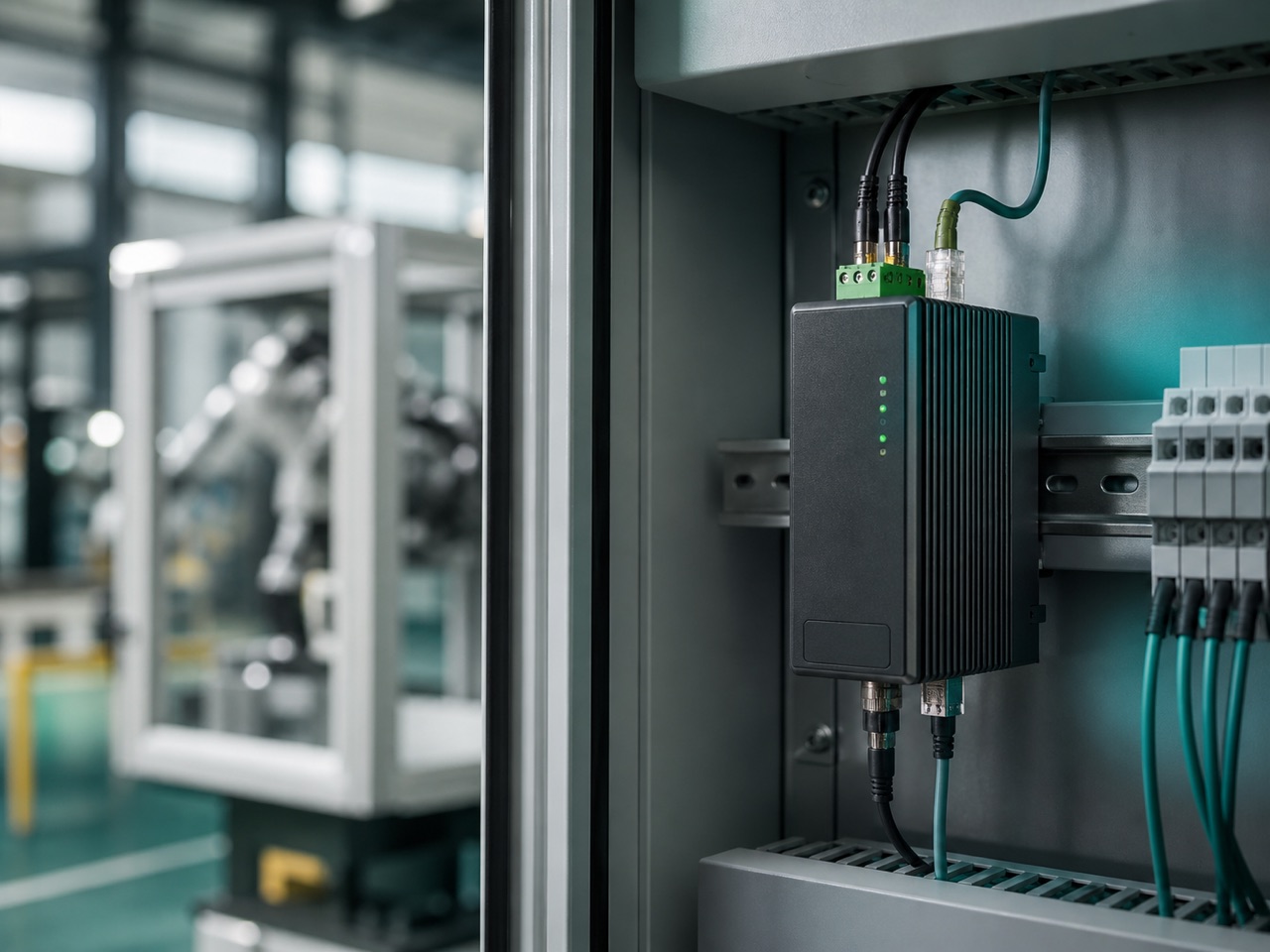
Prototypes, protocols, hardware batches and testing conditions directly affect firmware and field-project schedules. Technical validation provides a sounder basis for a full timeline.
Controllers, peripherals, schematics, protocols, existing code, field networks and control risks.
Choose the highest-risk path and create a minimal version that supports repeatable tests.
Develop versions, exception handling, logs, configuration, OTA and business APIs together.
Source code, configuration, test records, flashing guides, version tables and maintenance suggestions.
We can begin with feasibility assessment. Provide the prototype, controller and peripheral details, firmware notes, interface or communication information and control logic that must remain. Testing and site discussions can clarify missing details.
We directly handle embedded software, firmware, communication and platform integration. PCB, mechanical design, certification and supply-chain work are assessed for in-house or joint delivery, with responsibilities specified in the quote.
Design firmware partitions, signature checks, staged rollout, resumable downloads, failed-update rollback and version records, supported by logs, device status and remote commands.
Usually fault recovery, long-term stability, production flashing, configuration tools, testing standards, version control, service diagnostics and documentation, with further assessment of target costs and certification.
Share the controller, interfaces, protocols, existing-code notes and field problem. We will assess whether to begin with firmware, a gateway or platform connectivity.